 info@london-law.co.uk
 +44 0 207 537 7000
 WhatsApp: +44 0 7311 509 591
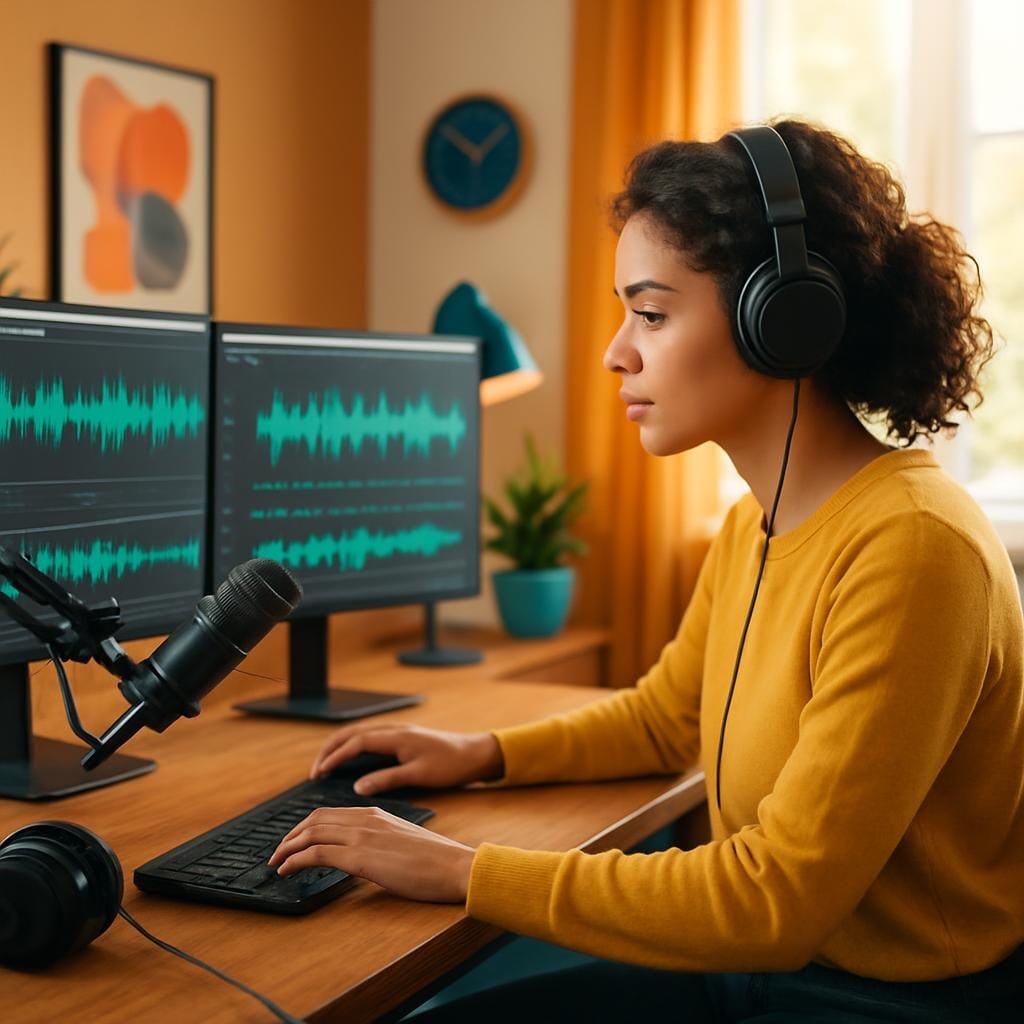
The podcasting industry has experienced tremendous growth in recent years, with more businesses and individuals looking to enter the market. This growth has created a demand for skilled podcast editors and producers who can help bring these audio projects to life. While the opportunity to work in podcasting is exciting, it involves navigating various legal complexities. Understanding relevant laws and regulations is essential for success, making it crucial for self-employed podcast editors and producers to seek guidance from professionals like Alexander JLO Solicitors. This blog explores how Alexander JLO Solicitors can assist aspiring podcast editors and producers in establishing a solid legal foundation for their careers.
1. Choosing the Right Business Structure
The journey to becoming a podcast editor or producer begins with selecting the appropriate business structure. This decision impacts liability, taxes, and operational aspects.
Sole Trader
Operating as a sole trader is one of the most common choices for freelance podcast editors and producers. This structure offers simplicity in setup and complete control over business decisions. However, the downside is that sole traders are personally liable for all business debts. Alexander JLO Solicitors can provide insight into the implications of this structure and assist with registration processes with HM Revenue and Customs (HMRC).
Limited Company
For those looking to establish a more formal business entity, incorporating a limited company may be the right option. This structure separates personal assets from business liabilities, providing legal protection for directors and shareholders. While it requires adherence to more complex regulations, it can enhance credibility with clients. Alexander JLO Solicitors can guide clients through the incorporation process, ensuring full compliance with legal requirements from the start.
Partnership
Some podcast editors and producers may choose to form a partnership with other professionals, such as fellow editors or sound engineers. In such cases, a well-defined partnership agreement is essential. This agreement clarifies the roles, responsibilities, and profit-sharing arrangements of each partner. Alexander JLO Solicitors can help draft partnership agreements that safeguard each party’s interests and foster effective collaboration.
2. Drafting Professional Contracts
Contracts are vital in establishing the relationship between podcast editors/producers and their clients. A well-structured contract outlines the specifics of the working relationship and serves as protection for both parties.
Key Elements of a Contract
A comprehensive contract should include:
– Scope of Work: A clear description of the services to be provided, such as audio editing, sound design, production management, and distribution services.
– Payment Terms: Detailed information on payment amounts, methods, and schedules to avoid misunderstandings about fees.
– Ownership Rights: Clarification of who owns the final audio product and any rights to the underlying content, including interviews, music, and sound effects.
– Termination Clauses: Provisions outlining how either party can terminate the agreement and the process for doing so.
By consulting with Alexander JLO Solicitors, podcast editors and producers can ensure that their contracts are thorough, legally sound, and tailored to their specific operational needs.
3. Navigating Intellectual Property Rights
As podcast professionals create original content, understanding intellectual property (IP) rights is essential. This knowledge protects the creators’ work and ensures compliance when using third-party materials.
Copyright Protection
Copyright law protects original works, including podcast episodes, scripts, music, and sound effects. Podcast editors and producers should understand their rights relative to the content they create. Contracts should specify how clients can use the created material and clarify copyright ownership.
Trademark Considerations
When developing brand identities for podcasts, such as logos and episode names, understanding trademark law is vital. Trademarks protect brand names and symbols from being used without permission. It is crucial for podcast producers to conduct thorough research to ensure their new branding does not infringe on existing trademarks. Alexander JLO Solicitors can provide guidance on trademark registration and compliance.
4. Complying with Data Protection Laws
The GDPR governs how personal data is collected and processed, making compliance crucial for podcast editors and producers who often collect personal information from guests and listeners.
Key Responsibilities Under GDPR
– Obtaining Consent: Podcast producers must obtain explicit consent from individuals before recording their voices or collecting personal data. This includes informing subjects about how their data will be used.
– Data Security: Implementing measures to protect personal data from breaches is essential. This includes secure storage solutions and controlled access to data.
– Transparency: Maintaining a clear privacy policy that outlines how personal data will be handled builds trust with clients and listeners.
By staying informed about GDPR compliance, podcast professionals can avoid legal issues and foster positive relationships with their audience.
5. Understanding the Consumer Rights Act 2015
The Consumer Rights Act 2015 provides essential protections for consumers, including those engaging with podcast services. Knowledge of this act supports the delivery of high-quality service.
Important Provisions
– Quality of Service: Clients expect services performed with reasonable care and skill. Podcast editors and producers must meet these expectations to maintain client satisfaction.
– Clear Pricing Information: Providing clear and transparent pricing helps clients understand fees involved, preventing misunderstandings.
– Timely Delivery: Ensuring that episodes are delivered on or before the agreed deadline is crucial for client satisfaction and engagement.
Adhering to the provisions of the Consumer Rights Act strengthens professional relationships and enhances client trust.
6. Managing Tax Responsibilities
Self-employed podcast editors and producers encounter specific tax obligations that need to be managed accurately to comply with UK law.
Essential Tax Requirements
– Registering with HMRC: Podcast professionals must register as self-employed with HM Revenue and Customs (HMRC) to operate legally.
– Self-Assessment Tax Returns: Annual tax returns documenting income and expenses must be completed to determine accurate tax liabilities.
– National Insurance Contributions: Self-employed individuals must pay National Insurance contributions if their annual earnings exceed a specific threshold.
Keeping accurate financial records simplifies the tax reporting process and ensures compliance with HMRC regulations.
7. Securing Professional Liability Insurance
Professional liability insurance is crucial for podcast editors and producers, providing protection against claims of negligence or inadequate services.
Importance of Professional Liability Insurance
– Legal Protection: This insurance provides coverage for legal fees and damages arising from client claims, allowing professionals to focus on creative work without undue stress.
– Client Confidence: Holding professional liability insurance demonstrates a commitment to quality, reassuring clients that the podcast service provider is prepared for unforeseen circumstances.
Evaluating insurance needs and obtaining adequate coverage is an essential aspect of operating a successful business.
8. Understanding Filming and Recording Regulations
If involved in video podcasting or filming, understanding the relevant regulations is essential to operate within the law.
Key Regulations to Consider
– Recording Permits: Acquiring necessary permits for filming in public spaces helps avoid legal complications. Failing to secure the appropriate permissions can halt projects and incur fines.
– Location Agreements: When filming in private properties, it is vital to have location agreements that clarify rights and responsibilities of both the film crew and property owners.
Awareness of filming regulations helps ensure smooth operations during the production process.
9. Defamation and Reputation Management
Content creators must handle information carefully to avoid defamation claims, as content can easily reach a larger audience.
Understanding Defamation Laws
– Defamation Risks: Making false statements about individuals or companies can lead to legal claims. Podcast editors and producers should ensure all claims in their content are factual.
– Reputation Management: Regularly monitoring feedback and engagement allows podcast professionals to address any negative comments or feedback promptly. Having proactive strategies in place helps maintain a positive online presence.
Awareness of defamation laws equips professionals to navigate public perception effectively.
10. E-Commerce Regulations
For podcast editors and producers who sell merchandise or services online, understanding e-commerce regulations is essential for operating legally.
Key Regulations
– Consumer Contracts Regulations: These regulations mandate clear communication regarding services and products sold online, including pricing and cancellation policies.
– Privacy and Electronic Communications Regulations (PECR): These laws govern the use of cookies and electronic marketing communications. Compliance ensures user data is respected and protected.
– Data Protection Regulations: E-commerce practices must comply with data protection laws to ensure consumer data is managed appropriately and ethically.
Familiarity with e-commerce regulations enables podcast professionals to provide compliant and effective services while building trust with clients.
Conclusion
Establishing a successful career as a self-employed podcast editor and producer requires a thorough understanding of various legal considerations. By being knowledgeable about contract law, data protection regulations, intellectual property rights, and other relevant laws, professionals can protect their interests and provide exceptional service to clients. Alexander JLO Solicitors offers invaluable support, helping these individuals navigate the complexities of the legal landscape and build a solid foundation for their businesses.
Summary of Key Points
– Choose the right business structure to suit your needs and protect your interests.
– Draft clear contracts to specify expectations and deliverables.
– Understand intellectual property rights to safeguard your work.
– Comply with GDPR when handling personal data to avoid legal issues.
– Familiarise yourself with the Consumer Rights Act to deliver quality service.
– Manage tax responsibilities accurately to ensure compliance.
– Obtain professional liability insurance for financial protection.
– Know filming and recording regulations if producing video content.
– Protect against defamation by verifying all information prior to publication.
– Stay informed of e-commerce regulations if selling products or services online.
With guidance from Alexander JLO Solicitors, aspiring podcast editors and producers can confidently navigate the legal landscape, ensuring successful careers in the thriving world of podcasting.
By utilising Alexander JLO Solicitors’ services, self-employed individuals can focus on their work while ensuring compliance with legal requirements and protecting their rights.
At Alexander JLO we have many years of experience of dealing with all aspects of law and will be happy to discuss your case in a free no obligation consultation. Why not call us on +44 (0)20 7537 7000, email us at info@london-law.co.uk or get in touch via the contact us button and see what we can do for you?
This blog was prepared by Alexander JLO’s partner, Peter Johnson on 4th June 2026 and is correct at the time of publication. With decades of experience in almost all areas of law Peter is happy to assist with any legal issue that you have. He is widely regarded as one of London’s leading lawyers. His profile on the independent Review Solicitor website can be found Here
To follow up on any of the above please contact Guy Wilton. Guy has wide experience of acting for the firm’s clients, their family and their businesses. Guy’s experience as a lawyer started in the Northern and Welsh Circuits, including the Liverpool Courts, where he represented numerous clients after being called to the Bar, before opting to join Alexander JLO in 2017 and qualifying as a solicitor in 2024. He is a highly experienced business lawyer with a particular interest in acting for self employed individuals and contract matters.
Guy’s profile on the independent Review Solicitor website can be viewed here.