 info@london-law.co.uk
 +44 0 207 537 7000
 WhatsApp: +44 0 7311 509 591
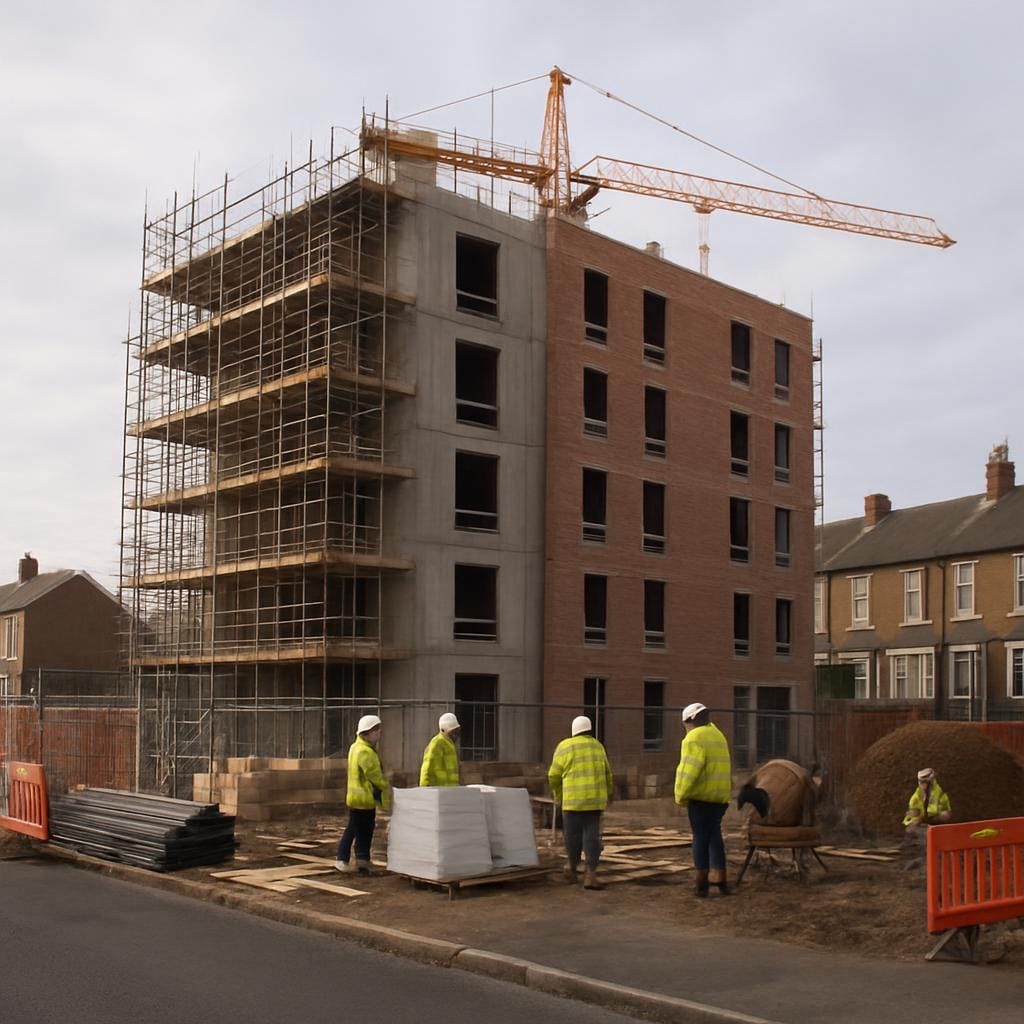
Introduction: why buy new build in Swindon
As a property partner at Alexander JLO Solicitors I advise many buyers who consider new build homes in Swindon. The town offers strong commuter links, significant employment in technology and manufacturing and ongoing regeneration that supports new housing. New builds attract buyers with modern specifications, energy efficiency and warranty protection. They also bring legal and practical pitfalls that can increase costs or reduce marketability if you do not take care. In this guide I explain the benefits and risks of buying a new build in Swindon under the law of England and Wales, outline local attractions and demographics, and give a practical checklist to protect your purchase.
Why buyers opt for new builds: the key advantages
Developers present attractive reasons to buy new. New homes come with contemporary insulation, efficient boilers and modern double glazing that reduce running costs. Developers often include fitted kitchens, bathrooms and integrated appliances so you avoid immediate expenditure on major fittings. Warranties such as NHBC or equivalent typically cover major structural defects for ten years which gives buyers recourse that older homes lack. New builds also require less immediate maintenance so buyers face fewer unexpected bills in the first few years. Open plan layouts, energy efficient lighting and improved sound insulation meet current buyer expectations and make new properties appealing to families, professionals and landlords.
Common pitfalls and how they affect buyers
Buying new does not remove all risk. Snagging defects commonly arise because developers hand over before finishing minor works. You must prepare a snagging list and press the developer to resolve items quickly. Developers also delay completion often due to supply chain issues or defective subcontractor work. Delays can disrupt moving plans and force buyers into costly temporary accommodation. Many new apartments sell as leasehold and some houses come with management company arrangements that impose restrictive covenants. Short leases, escalating ground rents or unclear service charge forecasts reduce resale value and can hinder mortgage approval. Warranty cover contains exclusions and strict notification requirements so you must follow the provider’s procedures. Finally some lenders restrict mortgage offers on particular build types or where lease terms seem unfavourable so confirm finance availability early.
Legal essentials in England and Wales for new builds
Reservation agreements and deposits
Developers usually ask for a reservation fee to take a plot off the market. Reservation agreements vary; some deposits become non-refundable after a fixed period or on exchange. Read the reservation contract carefully and confirm the circumstances in which you can recover your deposit and whether the developer offers deposit protection.
Contract exchange and completion
Exchange of contracts creates a binding agreement. New build contracts often use developer standard forms and can include broad completion windows, retention clauses or long periods for practical completion. I always recommend instructing a solicitor experienced in new build transactions to negotiate or review key clauses, including completion dates, liquidated damages for delay and retention arrangements for unresolved snagging items.
Practical completion versus legal completion
Practical completion usually marks the developer’s certification that the works meet the agreed standard. Legal completion is the transfer of title and the payment of the purchase price. Contracts should make clear how snagging is handled at or after practical completion and whether the developer will hold back or escrow sums until outstanding items are fixed.
Defects liability and warranties
Contracts commonly include a defects liability period during which developers must repair specified issues. Warranties such as NHBC, Premier Guarantee or LABC provide third party protection for specified structural failures, typically over a ten year term. Warranties exclude wear and tear and require strict notification procedures. Read the warranty documents carefully and keep records of all communications and remedial work.
Leasehold and management arrangements
Many new apartments sell as leasehold. Even houses can transfer with covenants enforced by a management company. Check the lease length, ground rent, review mechanisms and service charge budgeting. Short initial leases or escalating ground rent clauses materially reduce marketability and can cause mortgage issues. Ask to see sample leases for existing plots to understand typical terms on the development.
Title, easements and adoption
New estates frequently feature restrictive covenants, rights of way and drainage easements. Confirm whether roads and sewers will be adopted by the local authority. If they remain unadopted residents may later face maintenance liabilities and costs for repair. Your solicitor must check title documents and report on any enforceable restrictions.
Completion mechanics and staged payments
Developers sometimes require staged payments or retentions until practical completion and snagging works conclude. Ensure your solicitor reviews the completion mechanics, any escrow conditions and the release protocol for retention funds. Confirm that your lender will accept staged valuations and will release funds in line with the developer’s payment schedule.
A practical checklist for buying a new build in Swindon
– Obtain mortgage agreement in principle and confirm the lender accepts the development and construction type.
– Read the reservation agreement and clarify timelines for exchange and refundability of the deposit.
– Instruct a solicitor experienced in new builds to review the contract, title, warranties and management company documents.
– Request warranty documents and read the coverage, exclusions and notification procedures.
– Commission a professional snagging survey before or immediately after handover and send the snagging list to the developer in writing.
– Ask for a five year service charge forecast and details of any sinking fund for long term repairs.
– Confirm road and sewer adoption status with the local authority and obtain adoption timetables where possible.
– Check parking, storage and allocated spaces and ensure they appear on the title or lease where applicable.
– Verify whether any communal facilities such as gyms or lounges are managed by a third party and review service level agreements.
– Put buildings insurance in place from legal completion and keep records of all communications.
Snagging: priorities and enforcement
Snagging identifies defects ranging from cosmetic faults to safety issues. Prioritise gas, electrics and water leaks. Next check window seals, door alignment, tiling and drainage. I recommend hiring a specialist snagging surveyor who will produce a detailed report with photographs and a severity grading. Serve the snagging list in writing and keep a dated record. If the developer fails to remedy serious defects within the defects liability period escalate to the warranty provider where appropriate.
Financing a new build: lender considerations and tips
– Staged valuations and mortgage release: Lenders often value off-plan and may require progress inspections. Confirm the lender will accept staged payments and will release funds against each completed stage.
– Incentives and lender scrutiny: Developer incentives such as deposit contributions or stamp duty payments can complicate lending. Ensure your solicitor documents any incentives and the lender accepts them.
– Buy to let and investor restrictions: Some lenders restrict buy to let lending on new builds, particularly in developments with many short term lets. Check yield assumptions and lender policies early.
– Valuation accuracy: Ensure the valuer inspects the developer’s final specification and incorporates any agreed upgrades to avoid later disputes.
– Purchasing a new-build property often involves unique financing options, including shared ownership (more details specific to that can be found in our blog here).
Swindon highlights and things to do
Swindon combines strong transport links with a growing leisure offer and accessible green space. The town sits on the M4 corridor and offers direct rail links to London which makes it attractive for commuters.
– STEAM Museum and Railway Village: Swindon’s railway heritage attracts history enthusiasts and families to interactive exhibits and restored buildings.
– Lydiard Park and Lydiard House: The park provides extensive walks, historic house tours and events across the year.
– The Outlet shopping centre: Designer and high street outlets attract shoppers from the surrounding area and support retail employment locally.
– Coate Water Country Park: The park offers walking, cycling and waterside activities with space for families and dog walkers.
– Swindon arts venues: The Wyvern Theatre and local galleries stage touring performances, concerts and community arts events.
– Parks and green spaces: Swindon offers many green spaces and cycling trails suited to families and outdoor enthusiasts.
– Food and drink scene: Independent cafés, gastropubs and weekly markets contribute to a growing local food culture.
Local demographic snapshot
Swindon’s population mix shapes housing demand and rental markets. The town attracts commuters to London and Bristol which maintains demand for good transport links and two bed apartments. Swindon hosts a substantial working age population employed in manufacturing, technology and logistics which creates stable mid-market demand. Younger families seek suburban neighbourhoods with good schools and green space while first time buyers favour affordable new build schemes on the town edge. Swindon also attracts some older households seeking more affordable downsizing options than larger regional centres offer.
Average property prices in Swindon: guidance and trends
Property prices vary across Swindon’s neighbourhoods and depend on type, size and proximity to transport.
– Central and Old Town: The historic core and regenerated central areas attract a premium for period properties and well designed new builds.
– New estates and edge of town developments: New build prices depend on specification, parking provision and community infrastructure. These areas often suit first time buyers and growing families.
– Suburban family areas: Suburbs with good schools and green space sustain stable mid-range prices and attract long term owner occupiers.
– Market movement: Local prices move with national mortgage rates and employment trends. For the latest figures consult local estate agents for postcode specific valuations.
Resale prospects and long term value for new builds in Swindon
New builds can perform well where location, transport links and management quality combine to create sustained demand. Consider these factors when assessing long term value:
– Proximity to transport: Properties close to Swindon station and the M4 corridor appeal to commuters and remain desirable.
– Estate management and sinking funds: Transparent service charge budgets and a sinking fund that builds over time protect long term value. Poorly funded estates with rising charges depress resale prices.
– Leasehold terms and ground rent: Long leases and fair ground rent review clauses support resale. Short leases and aggressive ground rent escalation materially reduce marketability and can limit lender interest.
– Developer reputation and aftercare: Established developers who provide robust aftercare and respond quickly to defects help preserve value.
Some developers currently active in the region
Barratt Redrow formed from the merger of two leading UK housebuilders and now combines large-scale masterplans with urban apartment schemes across the South West. They focus on creating family-oriented communities with play areas, landscaping and phased infrastructure, while offering a range of house types and tenure mixes. Barratt Redrow places emphasis on energy efficiency, warranty-backed homes and sales incentives, and works with local authorities and housing partners to deliver affordable and market homes at scale across suburban and edge-of-town sites.
Taylor Wimpey operates multiple divisions across the South West, delivering starter homes through to executive housing across urban and semi-rural sites. The business balances volume delivery with design guides intended to fit local character and planning expectations. Taylor Wimpey invests in showhomes, marketing and consumer incentives, and maintains a national supply chain that supports local projects. They frequently partner with councils on section 106 and affordable housing delivery, and they stress compliance with building regulations and standard warranties for buyers.
Vistry Group brings together Bovis Homes, Linden Homes and Vistry Partnerships to deliver mixed‑tenure schemes, large-scale housing allocations and significant affordable housing contributions. The group prioritises placemaking, integrating new neighbourhood infrastructure and social housing delivery while managing complex section 106 obligations. Vistry invests in modern construction methods, customer care and warranty-backed protections and works with registered providers to meet local affordable housing needs. Their scale supports major regeneration projects and phased delivery across county towns and urban extensions.
Bellway remains a national top-tier developer highly active in Gloucestershire, Wiltshire and Dorset. The company delivers a mix of executive houses, family terraces and apartment blocks with a focus on spacious floorplans and private amenity. Bellway meets planning obligations through on-site affordable housing and community infrastructure, and it operates a consistent regional sales programme with investor and owner-occupier appeal. Bellway also emphasises build standards, customer aftercare and meeting evolving energy and accessibility expectations on new sites.
Persimmon Homes ranks among the highest-volume builders in the UK and operates numerous sites across the South West, ranging from small infill schemes to larger suburban estates. The business focuses on delivering affordability and scale, benefiting from efficient construction processes and a broad mortgage panel. Persimmon provides a range of product lines, from starter homes to family houses, and supplements new builds with marketing incentives. They also engage with local planning demands for affordable housing contributions and infrastructure delivery.
Bloor Homes operates as a nationally active, family-run developer with a strong presence in northern parts of the South West such as Gloucestershire and Wiltshire. They focus on traditional house types and family homes, often emphasising local materials and sympathetic layouts that respond to rural and semi-rural settings. Bloor maintains a reputation for aftercare and local customer service and seeks to deliver well‑landscaped estates that balance density with open space, while meeting planning obligations and local design codes.
YTL Developments leads a major placemaking project in the Bristol area, notably transforming the former Filton Airfield into the sustainable Brabazon district. The scheme blends residential, commercial and leisure uses to create a new urban quarter with ambitious sustainability targets, public realm improvements and integrated transport planning. YTL places strong emphasis on long‑term stewardship, design excellence and community facilities, aiming to attract employers and residents with a high-quality mixed-use environment and energy-efficient building standards.
Wain Homes acts as a significant regional developer across Devon, Cornwall, Somerset and Bristol, specialising in family homes and suburban schemes. The company prioritises quality construction, practical layouts and local engagement, delivering a range of two-to-five-bedroom houses aimed at growing families and owner-occupiers. Wain often works on phased developments where infrastructure, landscaping and community facilities feature prominently. They typically provide standard warranties, aftercare services and sensible parking and amenity provision suited to regional market requirements.
Miller Homes currently emphasises energy-efficient housing, exemplified by projects such as Cleve Wood in Gloucestershire that promote improved thermal performance and reduced running costs. The developer blends modern construction techniques with attention to layout and neighbourhood design, delivering detached and semi-detached family homes as well as smaller apartments. Miller targets sustainability credentials and fabric-first efficiency while meeting planning obligations for affordable housing and open space, and it maintains a national presence with strong regional delivery teams.
Cala Homes occupies the premium, aspirational end of the market in locations like Bath, Bristol and the Cotswolds. Cala focuses on high quality materials, thoughtful architectural detail and larger family homes with an emphasis on lifestyle and finish. They position developments to attract buyers seeking a step up in specification, often near attractive countryside or commuter hubs. Cala typically offers landscaped settings, spacious plots and enhanced internal fixtures that appeal to owner-occupiers prioritising long-term quality and design.
Cavanna Homes operates as one of the largest independent, employee-owned housebuilders based entirely in the South West, with a focus on Devon and Somerset. The firm builds a mix of family houses and smaller schemes, often emphasising local character, materials and sympathetic integration into existing communities. Cavanna values local supply chains and community engagement, and prides itself on customer service and long-term involvement in regional neighbourhoods. Their employee-owned structure supports continuity and an emphasis on quality and stewardship.
Charles Church markets as the premium brand within the Persimmon group, targeting aspirational buyers in high-demand areas such as Salisbury and Gloucestershire. The brand emphasises higher-end specification, refined architectural styles and larger homes on landscaped plots. Charles Church positions developments to appeal to move-up buyers and professionals seeking quality finishes and thoughtful layouts. Even as part of a larger corporate group the brand maintains a distinct identity focused on design, presentation and a more luxurious buyer experience.
Allison Homes has been expanding its footprint in the South West, taking on major sites in rural Devon and surrounding counties. The company focuses on sensitive village-scale developments and carefully phased suburban schemes that respond to local planning and landscape contexts. Allison typically emphasises design that fits local vernacular and community engagement, combining practical family houses with attention to landscaping, parking and local infrastructure delivery. Their growth has centred on regional knowledge and responsive project delivery.
Stonewood Homes specialises in bespoke regional developments with a reputation for stylish, high-quality homes and sensitive conversions of historic buildings across Wiltshire and Gloucestershire. The developer targets niche markets where design-led approaches and careful restoration add value, offering unique house types rather than volume product. Stonewood invests in detailed finishes, landscaping and contextual architecture to appeal to purchasers who prioritise character, quality and a considered neighbourhood feel over large-scale estate living.
Goram Homes represents Bristol City Council’s development company and focuses on urban regeneration and sustainable housing within the city. The company works on mixed-use schemes, council-led initiatives and affordable housing delivery with an emphasis on community benefit and long-term stewardship. Goram aligns projects with council objectives for net zero ambition, social value and improved public realm while partnering with registered providers and private investors to deliver genuinely affordable and energy-efficient homes in urban locations.
Current developments
There are a wide variety of new build developments in the area. Amongst them are:
Orchards Rise and Orchards View, by David Wilson Homes and Barratt Homes at Wichelstowe, are part of one of Swindon’s largest new neighbourhoods. The wider scheme sits on the southern edge of town and is planned around extensive open space, nature trails, play areas, allotments and good links to Swindon station and the M4; Orchards View currently includes 1-, 2- and 4-bedroom homes, while Orchards Rise offers 3-, 4- and 5-bedroom homes.
Redlands Grove, by Bellway Homes in partnership with Bovis Homes, is a Wanborough Road development on Swindon’s eastern edge near Junction 15 of the M4. It offers 2-, 3-, 4- and 5-bedroom houses, with recent Bellway material showing prices from £308,995 and framing it as a commuter-friendly location.
The Woodlands, by Bloor Homes in South Marston, is a north-east Swindon development focused on energy-efficient homes. The site offers 2-, 3- and 4-bedroom properties, with PV panels and EV chargers highlighted as part of the specification.
Robin Gardens, by Taylor Wimpey, is an off-Lady Lane scheme in Swindon aimed at family buyers. It offers 3- and 4-bedroom houses and is positioned for access to local commuter routes, with Coate Water Country Park within reach.
Oakfield, in Marlowe Avenue, is an urban regeneration scheme in East Swindon rather than a conventional suburban estate. Swindon Borough Council describes the former campus redevelopment as a multi-phase project for 239 homes with 71 affordable homes, while the Oakfield site itself is presented as a walkable location close to the town centre and railway station.
Negotiation tips and red flags to watch for
– Get incentives and upgrades in writing: Developers often offer incentives. Make sure they appear in contract documents or a formal written addendum so lenders and solicitors can rely on them.
– Insist on a service charge forecast: Request a five year projection and ask whether the developer will establish a sinking fund to cover long term repairs.
– Review sample leases and management rules: If buying a leasehold unit request precedent leases and the management company’s articles to understand future obligations.
– Check adoption timetables: Confirm whether roads and sewers will be adopted and ask for projected dates. Unadopted infrastructure can impose costs on residents.
– Ask for the masterplan: If the development is phased obtain the masterplan to see future phases that could affect views, parking and amenity.
When to walk away
Walk away if you find lease terms with aggressive ground rent escalation or short reversionary terms that restrict mortgageability. Also consider walking away if the developer has a poor record on aftercare and warranty claims or if lenders refuse to provide finance because of the construction type or problematic lease terms. If service charge forecasts look unrealistically low and the developer refuses to establish a sinking fund you should reassess the purchase.
The benefits of having Alexander JLO Solicitors on board for your new-build purchase
Choosing Alexander JLO Solicitors for your new-build conveyancing services offers numerous benefits that set us apart in the competitive property market. Our strong relationships with a wide network of local and national developers enable us to provide clients ensure that your purchase proceeds as smoothly and as rapidly as possible. While we maintain full independence, our collaborations ensure we can negotiate best terms and streamline the purchasing process. Our commitment to always acting in the best interests of our clients means you can trust that we will guide you through every step, ensuring a seamless transition into your new home.
One of the distinguishing features of Alexander JLO Solicitors is our proactive approach to conveyancing. We understand that time is of the essence in property transactions, and as such, we often pre-approve legal paperwork with developers and their legal teams to expedite the process and avoid unnecessary delays. By identifying and resolving potential issues in advance, we help ensure that transactions proceed smoothly and that crucial deadlines are consistently met. This foresight not only alleviates stress but also makes certain that our clients can move into their new properties without unforeseen complications.
With many years of experience in the property market, Alexander JLO Solicitors is adept at handling a diverse range of transactions, from shared ownership and leasehold flats to multi-million-pound freeholds. Our extensive knowledge allows us to provide tailored advice that addresses the unique challenges of each property type, ensuring our clients receive informed and effective legal support. By choosing us for your new-build conveyancing needs, you gain a trusted partner committed to safeguarding your interests and facilitating a successful property acquisition.
As a property partner at Alexander JLO Solicitors, I believe the key to a successful home purchase lies in thorough research, clear communication, and understanding the various dynamics within the real estate market. With my expertise, I aim to guide you through the process of securing your new build property, ensuring a smooth transition into your new home. Embrace the exciting journey ahead as you embark on this significant milestone.
Conclusion: weighing risk and reward in Swindon
Buying a new build in Swindon offers modern energy efficiency, up to date specification and warranty protection which many buyers find compelling. Swindon’s strong transport links, employment base and local amenities support demand for new housing. At the same time new builds present legal and practical risks including snagging, leasehold complications and service charge uncertainty that require careful legal review. As a property partner at Alexander JLO Solicitors I emphasise early lender checks, instructing a solicitor experienced in new builds, commissioning a professional snagging survey and reviewing warranty and lease terms in full. Take those steps and you will improve your chances of securing a comfortable home that performs well into the future.
As with any investment decision, when buying a property it’s vital that you do your homework carefully. As well as fully researching the location and market that you are looking to buy in, it’s vital that you seek advice of experts, including surveyors and financial advisors. Alexander JLO, its Partners and employees cannot provide specific advice on choice of location or the market but can advise on all matters legal once you have made a decision to buy a property.
If you are looking for a first rate conveyancing service why not give one of Alexander JLO’s specialist property lawyers a call on 020 7537 7000, click on the get a quote button or email quote@london-law.co.uk for a free, no-obligation quotation? Come and see what we can do for you.
This blog was prepared by Alexander JLO’s property partner Matt Johnson on 29th July 2026 and is correct at the date of publication. Matt has many years of experience of dealing with property work and specialises in new build and shared ownership properties. His profile on the independent Review Solicitor website and be found here