 info@london-law.co.uk
 +44 0 207 537 7000
 WhatsApp: +44 0 7311 509 591
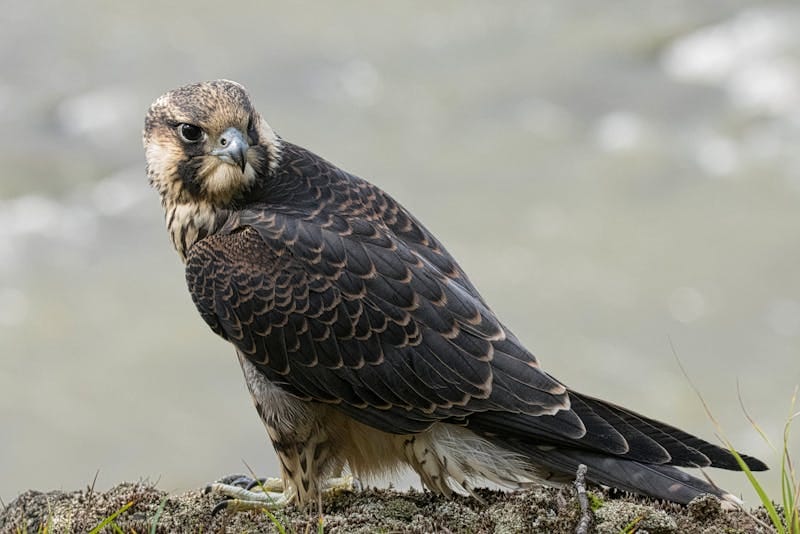
The United Kingdom is home to a diverse array of wildlife, ranging from majestic mammals and vibrant birds to intricate insects and unique plants. However, many of these species face threats from habitat destruction, pollution, climate change and human activities. To combat these challenges and ensure the survival of native wildlife, the UK has established a robust framework of legislation aimed at protecting various species. This blog will explore the key wildlife species that are protected in the UK and the legislation that safeguards them.
The Legal Framework for Wildlife Protection
The protection of wildlife in the UK is underpinned by several key pieces of legislation. These include the Wildlife and Countryside Act 1981, the Conservation of Habitats and Species Regulations 2017, the Protection of Badgers Act 1992 and the Countryside and Rights of Way Act 2000. Each of these acts plays a vital role in establishing protections for specific species and their habitats.
1. Wildlife and Countryside Act 1981
The Wildlife and Countryside Act 1981 (WCA) is the cornerstone of wildlife protection legislation in the UK. It was created to implement the European Community’s Birds Directive and the Conservation of European Wildlife and Natural Habitats Directive (Habitats Directive). The Act provides comprehensive protections for various wildlife species and their habitats.
Under the WCA, certain species are listed in Schedule 1, which includes birds that receive special protection while nesting, such as the peregrine falcon, barn owl and puffin. Schedule 5 outlines other species, including mammals, reptiles and amphibians that are protected from killing, injury and disturbance, such as the water vole and the great crested newt. The legislation also prohibits certain activities, including the sale of protected species and the destruction of their habitats without a valid license.
2. Conservation of Habitats and Species Regulations 2017
The Conservation of Habitats and Species Regulations 2017 (also known as the Habitats Regulations) serve to implement the Habitats Directive and strengthen the protection of wildlife in the UK. This legislation provides legal safeguards for designated sites known as Special Areas of Conservation (SACs) and Special Protection Areas (SPAs). These sites are critical for the conservation of significant habitats and species in the UK.
Moreover, the Regulations designate “European Protected Species,” which include certain animals and plants that require special protection. This designation covers species such as the bottlenose dolphin, the lesser horseshoe bat and various migratory birds. The Habitats Regulations ensure that these species are not harmed or disturbed in their natural habitats.
3. Protection of Badgers Act 1992
The Protection of Badgers Act 1992 specifically focuses on the conservation of badgers, which are a key species in the UK’s ecosystems. The Act prohibits the killing, injuring or taking of badgers, as well as the disturbance of their setts. Additionally, it provides penalties for individuals who engage in illegal badger baiting or other activities that threaten these animals.
4. Countryside and Rights of Way Act 2000
The Countryside and Rights of Way Act (CRoW) 2000 aims to improve access to the countryside while ensuring the protection of wildlife and the environment. The legislation places a duty on public authorities to conserve and enhance biodiversity in the UK. It also provides for the designation of Sites of Special Scientific Interest (SSSIs), which are essential for the protection of the UK’s rare and threatened species.
Key Protected Wildlife Species in the UK
The legislation mentioned above affords protection to a variety of wildlife species across different taxonomic groups. Here are some of the notable protected species in the UK:
1. Birds
Many bird species are protected under the Wildlife and Countryside Act 1981. This includes iconic species such as the golden eagle, hen harrier and the red kite. All wild birds are protected from killing, injuring and taking, while certain species receive additional protection during their breeding periods. Licences can be granted for a limited number of species for the purposes of pest control.
2. Mammals
Numerous mammal species are also covered by wildlife legislation. For example, the otter and the red squirrel are given protection under both the WCA and the Conservation of Habitats and Species Regulations. The water vole is another notable protected species due to its decline in population.
3. Reptiles and Amphibians
The great crested newt is one of the best-known protected amphibians in the UK. It receives protection under both the WCA and the Habitats Regulations. Similarly, slow worms and common lizards are protected species under the Wildlife and Countryside Act.
4. Plants
Certain plant species, particularly those that are vulnerable or threatened, are protected under the WCA. This includes species such as the lady’s slipper orchid and the yellow marsh saxifrage. The legislation prohibits the uprooting, sale and destruction of these plants.
Conclusion
The protection of wildlife species in the UK is of paramount importance for maintaining biodiversity and ensuring the health of ecosystems. The legislative framework governing wildlife protection is comprehensive, with several key acts providing legal safeguards for various species across the country. By understanding which species are protected and the laws that cover them, individuals and organisations can play a vital role in conserving the natural heritage of the UK.
As we continue to face challenges related to habitat loss and climate change, the legislative protections afforded to wildlife species will be crucial in safeguarding our ecosystems for future generations. Awareness and appreciation of these protections encourage collaborative efforts for conservation and inspire actions that benefit both wildlife and the environment.
At Alexander JLO we have decades of experience of dealing with all aspects of law and will be happy to discuss your case in a free no obligation consultation. Why not call us on +44 (0)20 7537 7000, email us at info@london-law.co.uk or get in touch via the contact us button and see what we can do for you?
This blog was prepared by Alexander JLO’s senior partner, Peter Johnson on 24th April 2025 and is correct at the time of publication. With decades of experience in almost all areas of law Peter is happy to assist with any legal issue that you have. He is widely regarded as one of London’s leading lawyers. His profile on the independent Review Solicitor website can be found Here