 info@london-law.co.uk
 +44 0 207 537 7000
 WhatsApp: +44 0 7311 509 591
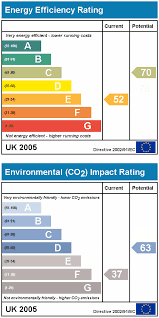
In recent years, energy efficiency has become an increasingly important issue for landlords across England and Wales. As climate change concerns continue to rise, government bodies have introduced regulations aimed at reducing energy consumption and promoting sustainable practices. For landlords, compliance with these energy efficiency regulations is crucial not only for legal reasons but also for enhancing property value and tenant satisfaction. This blog explores the energy efficiency regulations applicable to landlords in England and Wales, outlining what you need to know to ensure compliance.
Understanding Energy Efficiency Regulations in England and Wales
Energy efficiency regulations in England and Wales are primarily aimed at improving the environmental performance of residential rental properties. The key legislation regulating energy efficiency in the rental sector includes:
1. Energy Act 2011: This act introduced minimum energy efficiency standards for privately rented properties, introducing regulations that prevent landlords from renting out properties with low Energy Performance Certificate (EPC) ratings.
2. The Minimum Energy Efficiency Standards (MEES): Effective from April 2018, the MEES regulations stipulate that all commercial and residential properties must have an EPC rating of at least Band E in order to be rented out. If a property has a rating of F or G, landlords must take steps to improve its energy efficiency before it can be let.
3. The Energy Performance of Buildings Regulations: These regulations require landlords to provide prospective tenants with an EPC that details the property’s energy efficiency. The EPC must be made available at the earliest opportunity, notably when the property is marketed for rent.
4. The Energy Efficiency (Private Rented Property) (England and Wales) Regulations 2015: These regulations provide the framework for enforcing the MEES and outline the obligations of landlords in terms of energy efficiency improvements.
Key Compliance Obligations for Landlords
1. Obtaining an Energy Performance Certificate (EPC)
Every rental property must have a valid EPC that indicates its energy efficiency rating, which ranges from A (most efficient) to G (least efficient). Landlords are legally required to:
– Obtain an EPC before a property is rented out.
– Ensure the EPC is up-to-date, as it is valid for ten years.
– Provide the EPC to prospective tenants when marketing the property.
If a property falls below the minimum requirement of Band E, it cannot be legally let until improvements are made.
2. Implementing Energy Efficiency Improvements
For properties with an EPC rating of F or G, landlords must take specified measures to improve energy efficiency. Key compliance aspects include:
– Identifying measures to enhance energy performance as recommended in the EPC advisory report.
– Undertaking improvements that are required unless exemptions apply. These could include measures such as upgrading insulation, installing energy-efficient heating, or improving ventilation.
Landlords may be eligible for government grants and funding schemes to assist with the costs of these energy improvements, which can help alleviate financial burdens.
3. Exploring Exemptions
There are certain circumstances under which a property may be exempt from meeting the MEES regulations, provided that landlords comply with specific guidelines. Common exemptions include:
– Property not able to be improved: If it is impossible to improve the energy efficiency of the property, landlords must provide evidence of this limitation.
– Cost-effectiveness: If the improvements needed exceed a specified cost threshold (usually £3,500), landlords may not be required to undertake them.
– Recent acquisition: If a landlord has recently purchased the property, they may qualify for a temporary exemption while they arrange for improvements.
Landlords should keep detailed records and documentation for any claimed exemptions to ensure compliance with legal requirements.
4. Reporting Compliance
While landlords are not required to formally register compliance with the MEES, they must keep thorough records of their energy efficiency measures and any improvements carried out. In instances of dispute or inspection, this can demonstrate compliance with the regulations.
Benefits of Energy Efficiency Regulations Compliance
1. Increased Property Value
Properties that comply with energy efficiency regulations often see an increase in value. An improved EPC rating can make a property more appealing to prospective tenants, who increasingly prioritise eco-friendly living situations.
2. Enhanced Tenant Satisfaction
Tenants are generally more satisfied with properties that offer better energy efficiency, leading to lower turnover rates and higher retention. Energy-efficient properties often result in lower utility bills for tenants, which can enhance their overall living experience.
3. Positive Environmental Impact
Compliance with energy efficiency regulations contributes to the broader effort of reducing carbon footprints and tackling climate change. By opting for energy-efficient measures, landlords can play an active role in promoting environmental sustainability.
4. Avoiding Legal Penalties
Failure to comply with energy efficiency regulations can result in significant financial penalties, as well as reputational damage. Being proactive ensures landlords avoid fines and legal repercussions while protecting their investments.
Best Practices for Landlords
1. Stay Informed on Regulations
Regularly review changes to energy efficiency regulations and updates in the law to ensure ongoing compliance. Participate in landlord forums or associations that focus on energy efficiency to stay abreast of developments.
2. Conduct a Property Energy Audit
Consider hiring an energy assessor to conduct an audit to determine the current EPC rating and receive recommendations for improvements. This audit can help identify cost-effective upgrades to enhance energy efficiency.
3. Plan for Upgrades
Budget for energy-efficiency upgrades as part of your property management plan. Investing in energy improvements can save costs in the long run by creating a more sustainable property and attracting quality tenants.
4. Educate Tenants
Inform tenants about the benefits of energy-efficient living, and encourage them to adopt sustainable practices. Share tips on reducing energy consumption or integrating energy-saving technologies to foster a more eco-friendly environment.
Conclusion
Energy efficiency regulations in England and Wales represent a vital aspect of responsible property management for landlords. By understanding these regulations, ensuring compliance, and implementing energy-efficient practices, landlords can enhance their property value, build positive tenant relationships, and contribute to a sustainable future. As the landscape of rental properties evolves, prioritising energy efficiency will not only be a legal obligation but also a key differentiator in the competitive rental market. By taking proactive measures, landlords can create a thriving rental experience that benefits both themselves and their tenants.
At Alexander JLO we have many years of experience of dealing with all aspects of landlord and tenant law both acting for landlords and tenants and will be happy to discuss your case in a free no obligation consultation. Why not call us on +44 (0)20 7537 7000, email us at info@london-law.co.uk or get in touch via the contact us button and see what we can do for you?
This blog was prepared by Alexander JLO’s partner, Peter Johnson on 7th May 2026 and is correct at the time of publication. With decades of experience in almost all areas of law Peter is happy to assist with any legal issue that you have. He is widely regarded as one of London’s leading lawyers. His profile on the independent Review Solicitor website can be found Here