 info@london-law.co.uk
 +44 0 207 537 7000
 WhatsApp: +44 0 7311 509 591
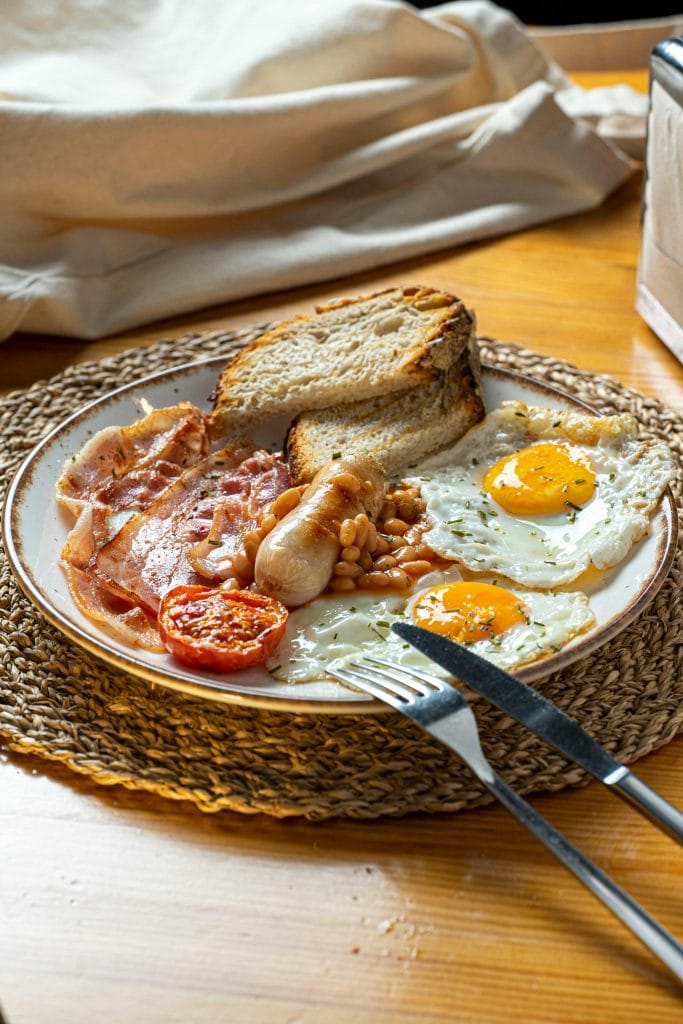
Introduction: a national treasure on a plate
The Full English breakfast arrives like an old friend — loud, comforting and a little bit greasy. It stirs memories, arguments and occasional regrets. People squabble over what must be on that plate as fiercely as they argue about the weather. Should the law step in to decide what belongs on a Full English? This blog takes a funny look at whether England should legally protect the Full English, and whether giving sausages legal status would improve anybody’s life.
What is a Full English anyway?
Ask ten people and get twelve answers. For some, the Full English is bacon, sausage, eggs, baked beans, tomato, mushrooms, black pudding and toast or fried bread. For others it is bacon minus the black pudding plus a hash brown and a dignified dollop of HP sauce. Over the border in Wales, someone might wink and add laverbread or a griddled tat tie in Scotland. The Full English behaves like a small country: many customs, many accents, and an opinion on everything.
Why anyone would want the law involved
The idea of legal protection sounds grand. It promises tradition, tourism, and perhaps a chance to sell T-shirts that say “Protected Breakfast”. Legal status could help local producers and stop restaurants calling a random pile of breakfast things “The Full English” purely for clicks. People like the idea of a national snack getting respect. It is charming, absurd and mildly bureaucratic all at once.
Legal tools and why they mostly giggle at the idea
– Trademark: Someone could trademark a logo or a name. That stops a cafe from stealing a brand, but it won’t stop Aunt Maud from making her own Full English.
– Copyright: It protects poems and photos, not ingredient lists. A recipe might get starred in a book, but the list of items will not be copyrighted.
– Trade secrets: A restaurant could guard a special seasoning, but keeping beans secret in a saucepan is tricky.
– Geographical Indication: This protects things tied to a place. Champagne has it, but Full English? That would require pinning it to a single spot on the map. Nobody wants to see a sign that reads “Official Full English County: Somewhere Between Yorkshire and A Bit Further South.”
– Food labelling laws: These already stop deceitful claims and force allergen info. They handle the practical bits better than a pompous lunchbox treaty would.
Who decides what counts?
Imagine a committee made up of historians, chefs, MPs and the kind of person who insists beans ruin everything. They would argue until the tea runs cold. Is baked beans essential or an optional jazz hand? Must the sausage be pork or can a vegetarian substitute qualify? Do hash browns count as innovation or heresy? Legal definitions need neat boxes. The Full English refuses to be boxed. It prefers a splatter guard!
Regional flavours and stubborn pride
Food law prefers crisp definitions. Culture prefers stubborn pride. In the North people love a fried slice. In the South mushrooms get more airtime. In a café near a beach the Full English may come with sea breeze and a story. Fixing the breakfast in law would risk erasing those quirks. One size fits all tastes good only on a mannequin.
Money, markets and who pays the bill
Protection could boost local producers and make a good tourist slogan: “Come for the castles, stay for legally protected bacon”. Yet certification costs money. Small cafés and weekend fry-up specialists would face paperwork, inspections and forms usually named after sad vegetables. Those costs would filter down to customers who just wanted breakfast, not a lecture. The hospitality industry runs on thin margins and big smiles. Law could make it run on forms.
Health and safety — the parts that already work
Regulators already make kitchens follow hygiene rules and list allergens. Those laws keep people alive and a little less ill. If a café promised a Full English, it must not lie about what’s on the plate. That protects diners far better than a national decree about whether mushrooms are mandatory. Clear menus and honest staff do more for safety than statues in Westminster.
A legal fight over beans: a silly scenario
Picture a courtroom where barristers argue whether baked beans are fundamental. A judge asks for witnesses. The jury tastes three breakfasts and cries for mercy. The judge issues a cautious ruling: “Beans are highly recommended in certain counties.” The point is obvious: some fights make for good television, but they make poor law.
Items sometimes included or excluded: a playful comparison
– Bacon: Usually present. Variation: back bacon or streaky bacon, both defended like tiny flags.
– Sausage: Common and beloved. Variation: pork, Cumberland, or a proud vegetarian sausage that looks offended.
– Eggs: Hard to argue against. Fried, scrambled, poached, boiled, or an egg that has chosen its own destiny.
– Baked beans: A frequent guest or, for some, a polite acquaintance better left at the door.
– Black pudding: Loved by the brave, avoided by those with a gentle constitution. Optional like a dare.
– Tomato: Grilled or fried, adds colour and a sense of moral rectitude.
– Mushrooms: Often included. Sometimes treated like the breakfast’s well read cousin.
– Hash brown: Newer to the party, arrives with confidence and a crunchy edge.
– Toast or fried bread: One will appear, sometimes both, depending on the cook’s philosophy on carbs.
This list shows the Full English acts like a rotating cast of characters rather than a legally binding document.
Alternatives to heavy-handed law
If protecting the Full English feels right, lighter options exist:
– Voluntary certification: Cafés can display a mark if they follow agreed standards. Customers feel smug, kitchens keep their freedom.
– Heritage listings: Celebrate variations without legal compulsion. Think festival rather than fine print.
– Better labelling: Clear menus and allergen info give customers control without state dinner protocols.
– Promotion and education: Teach the history, throw festivals and let people decide at the table.
These options protect character without turning brunch into a courtroom drama.
Conclusion: keep the law for fraud, keep the fun for the frying pan
England already protect people from fraud and unsafe food. That covers the serious parts. Making the Full English a legal creature would add paperwork, arguments and probably a new phrase: “full-english-compliant.” The breakfast’s charm lives in variety, family recipes and regional pride. The best protection is celebration, not legislation. Let the sausages remain opinionated, let the beans keep their mystique, and let the law mind other things.
At Alexander JLO we have many years of experience of dealing with all aspects of law and will be happy to discuss your case in a free no obligation consultation. Why not call us on +44 (0)20 7537 7000, email us at info@london-law.co.uk or get in touch via the contact us button and see what we can do for you?
This blog was prepared by Alexander JLO’s senior partner, Matt Johnson on 17th April 2026 and is correct at the time of publication. His profile on the independent Review Solicitor website and be found here.