 info@london-law.co.uk
 +44 0 207 537 7000
 WhatsApp: +44 0 7311 509 591
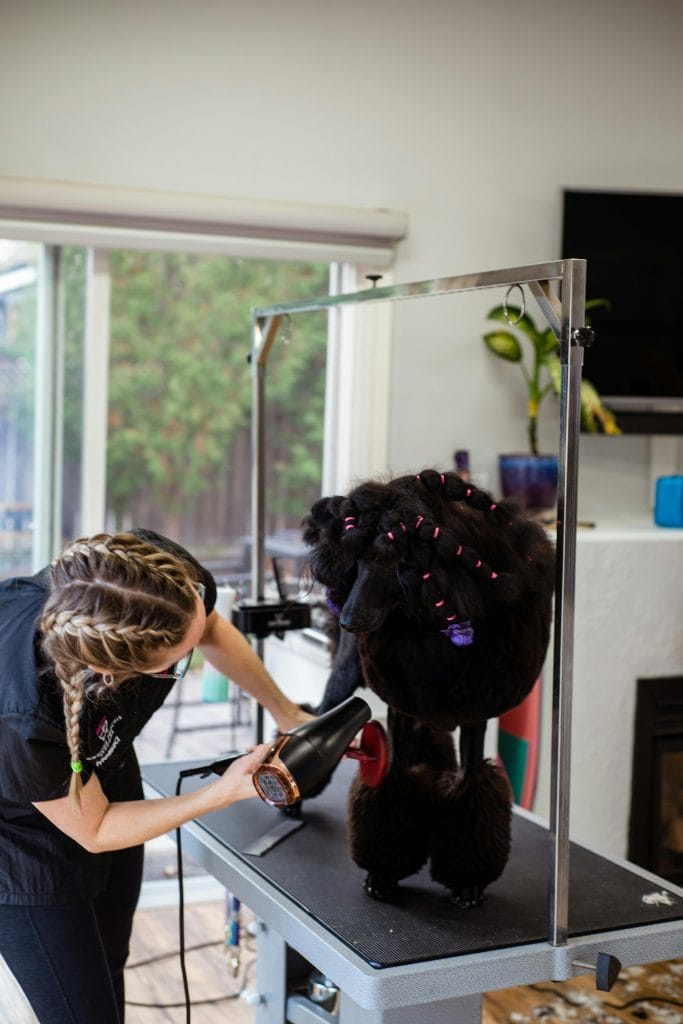
The pet grooming industry is thriving, driven by an increasing demand from pet owners who wish to keep their pets well-groomed and healthy. Aspiring pet groomers have the opportunity to build rewarding careers while providing essential services to animals and their owners. However, starting a career as a pet groomer requires navigating various legal considerations. These include understanding regulations, compliance, contracts, and insurance. Alexander JLO Solicitors provides vital support to help individuals set up their pet grooming businesses successfully. This blog explores how they can assist in various critical areas.
1. Understanding the Pet Grooming Market
Before starting a career as a pet groomer, it is essential to understand the market landscape and identify opportunities for success.
Current Trends in Pet Grooming
The pet grooming industry is experiencing significant changes. Pet owners are increasingly looking for services focusing on wellness and overall care, rather than just aesthetics. Popular trends include organic grooming products, eco-friendly practices, mobile grooming services, and specialised grooming for specific breeds. Staying informed about current trends allows pet groomers to tailor their services to meet client needs effectively.
Identifying Target Clients
Successful pet groomers benefit from identifying their target clientele. This might include pet owners looking for basic grooming services, show dog owners requiring specialised grooming, or clients with elderly pets in need of gentle handling. A clear target market helps groomers develop marketing strategies and personalised services that resonate with potential clients.
2. Choosing the Right Business Structure
Selecting the appropriate business structure is a crucial first step in setting up as a pet groomer. This choice impacts liability, taxation, and how the business operates on a day-to-day basis.
Sole Trader
Becoming a sole trader is a common option for new pet groomers. This structure is straightforward to establish, allowing individuals to have complete control over their business decisions. However, sole traders are personally liable for any debts incurred by the business, which can pose risks to personal assets. Alexander JLO Solicitors can help aspiring groomers understand the implications of operating as a sole trader and assist with the registration process with HM Revenue and Customs (HMRC).
Limited Company
Forming a limited company can provide personal liability protection. This structure separates personal assets from business liabilities, which is beneficial for those anticipating substantial growth. Limited companies require more compliance and administrative tasks, such as submitting annual accounts to Companies House. Alexander JLO Solicitors guides clients through the incorporation process, ensuring compliance with legal requirements from the start.
Partnership
Some pet groomers may choose to establish a partnership with other professionals. A partnership allows individuals to share responsibilities and expertise, making it easier to manage the demands of grooming. A partnership agreement is essential to outline each partner’s roles, responsibilities, and profit-sharing arrangements. Alexander JLO Solicitors can assist in drafting a partnership agreement that protects the interests of all parties involved.
3. Drafting Professional Contracts
Contracts are key in establishing the relationship between pet groomers and their clients. A well-drafted contract outlines expectations and acts as a legal safeguard for both parties.
Key Elements of a Contract
An effective contract should include:
– Scope of Services: Clearly define the grooming services offered, such as bathing, haircuts, nail trimming, and pet styling.
– Payment Terms: Specify total fees, payment methods, and schedules to avoid misunderstandings about financial arrangements.
– Cancellation Policies: Include terms that detail how cancellations or rescheduling are managed, including any fees that may apply.
– Client Responsibilities: Outline what clients must provide, such as vaccination records or pet behaviour information.
By working with Alexander JLO Solicitors to draft comprehensive contracts, pet groomers can minimise disputes and establish positive professional relationships with clients.
4. Compliance with Health and Safety Regulations
As pet groomers handle animals, compliance with health and safety regulations is essential to ensure a safe working environment.
Key Health and Safety Considerations
– Risk Assessments: Conduct risk assessments before beginning any grooming service, identifying potential hazards and implementing measures to mitigate those risks.
– Hygiene Practices: Adhere to health regulations that govern hygiene standards in pet grooming, including proper cleaning and sanitisation of tools and workspaces.
– Emergency Procedures: Establish emergency protocols for injuries and incidents during grooming. Ensure all team members are familiar with these procedures.
Complying with health and safety regulations protects both the groomer and the pets they work with, while also reducing potential legal liabilities.
5. Licensing and Qualifications
To operate legally, pet groomers must meet specific licensing and qualification requirements.
Required Qualifications
– Grooming Certifications: The industry typically expects groomers to have recognised qualifications, such as diplomas from accredited institutions in pet grooming or animal care.
– Health and Safety Training: Knowledge of animal hygiene and health regulations ensures compliance with local and national standards.
– Insurance Requirements: Certain establishments may require proof of liability insurance before allowing groomers to operate within their premises.
Meeting licensing and qualification requirements is crucial for establishing credibility and creating a successful practice.
6. Compliance with Data Protection Laws
Pet groomers often handle personal data from clients, including contact information and pet health histories. Compliance with data protection laws is essential for maintaining confidentiality and avoiding legal issues.
Key Responsibilities Under GDPR
– Obtaining Consent: Pet groomers must obtain explicit consent from clients before collecting personal data, clearly informing them of how it will be used.
– Data Security: Implement adequate measures to secure personal data from breaches, such as using encrypted storage solutions and enforcing access controls.
– Transparency: Develop a clear privacy policy that outlines how personal data will be collected, used, and stored, while educating clients on their rights under data protection laws.
Adhering to data protection regulations helps pet groomers solidify client trust while preventing potential legal penalties.
7. Tax Responsibilities
Self-employed pet groomers need to manage their tax obligations to ensure compliance with UK tax laws.
Essential Tax Requirements
– Registering with HMRC: It is essential for pet groomers to register as self-employed with HM Revenue and Customs (HMRC) to operate legally.
– Self-Assessment Tax Returns: Filing annual tax returns that document income and expenses is necessary for accurately determining tax obligations.
– National Insurance Contributions: Self-employed individuals must pay National Insurance contributions if their profits exceed specified limits.
Maintaining accurate financial records assists groomers in managing their tax responsibilities effectively.
8. Professional Indemnity Insurance
Professional indemnity insurance is essential for pet groomers, safeguarding them against claims of inadequate service or negligence.
Importance of Professional Indemnity Insurance
– Legal Protection: This insurance covers legal fees and compensation arising from client claims. It allows pet groomers to focus on providing quality care without the stress of potential lawsuits.
– Client Assurance: Clients feel more comfortable knowing their groomer has professional indemnity insurance. This commitment to accountability enhances credibility.
Seeking advice from insurance professionals helps pet groomers determine the necessary coverage for their specific needs.
9. Understanding Animal Welfare Laws
When working with animals, pet groomers must be familiar with animal welfare laws designed to ensure humane treatment.
Key Considerations
– Animal Welfare Act 2006: This law establishes a duty of care for pet owners and professionals. Groomers must treat animals humanely and avoid unnecessary suffering.
– Transport Regulations: If transporting animals for grooming, compliance with regulations governing transportation is paramount to protect their welfare.
Understanding and adhering to animal welfare laws positions pet groomers as responsible professionals in the eyes of clients and governing bodies.
10. Defamation and Reputation Management
In the pet care industry, reputation management is fundamental. What pet groomers say about clients or competitors can greatly influence their success.
Understanding Defamation Laws
– Defamation Risks: Making false statements about individuals or businesses can lead to legal consequences. Groomers should ensure claims made publicly are verified and accurate.
– Reputation Management: Monitoring online feedback and engaging constructively with clients helps maintain a strong public image. Positive interactions can significantly enhance reputation.
By being aware of defamation laws, pet groomers can navigate public perception effectively and protect their professional image.
Conclusion
Embarking on a career as a self-employed pet groomer offers exciting possibilities but also comes with the responsibility of understanding legal obligations. By familiarising themselves with important laws such as contracts, data protection, animal welfare, and more, pet groomers can protect their businesses and deliver exceptional service to clients. Alexander JLO Solicitors provides essential guidance to help aspiring pet groomers establish a solid legal foundation for their practices.
Summary of Key Points
– Draft clear contracts that outline service expectations and payment terms.
– Comply with GDPR and data protection laws when handling personal data.
– Familiarise yourself with the Consumer Rights Act for high-quality service delivery.
– Manage tax responsibilities accurately and keep detailed records.
– Obtain professional indemnity insurance for legal protection.
– Ensure you meet the necessary licenses and qualifications for operating legally.
– Understand animal welfare laws to maintain ethical standards in treatment.
– Protect your reputation by understanding defamation laws and managing public perception.
– Familiarise yourself with e-commerce regulations if providing services online.
With assistance from Alexander JLO Solicitors, aspiring pet groomers can navigate the legal landscape confidently, paving the way for successful and sustainable practices in the pet care industry.
By utilising Alexander JLO Solicitors’ services, self-employed individuals can focus on their work while ensuring compliance with legal requirements and protecting their rights.
At Alexander JLO we have many years of experience of dealing with all aspects of law and will be happy to discuss your case in a free no obligation consultation. Why not call us on +44 (0)20 7537 7000, email us at info@london-law.co.uk or get in touch via the contact us button and see what we can do for you?
This blog was prepared by Alexander JLO’s partner, Peter Johnson on 21st May 2026 and is correct at the time of publication. With decades of experience in almost all areas of law Peter is happy to assist with any legal issue that you have. He is widely regarded as one of London’s leading lawyers. His profile on the independent Review Solicitor website can be found Here
To follow up on any of the above please contact Guy Wilton. Guy has wide experience of acting for the firm’s clients, their family and their businesses. Guy’s experience as a lawyer started in the Northern and Welsh Circuits, including the Liverpool Courts, where he represented numerous clients after being called to the Bar, before opting to join Alexander JLO in 2017 and qualifying as a solicitor in 2024. He is a highly experienced business lawyer with a particular interest in acting for self employed individuals and contract matters.
Guy’s profile on the independent Review Solicitor website can be viewed here.