 info@london-law.co.uk
 +44 0 207 537 7000
 WhatsApp: +44 0 7311 509 591
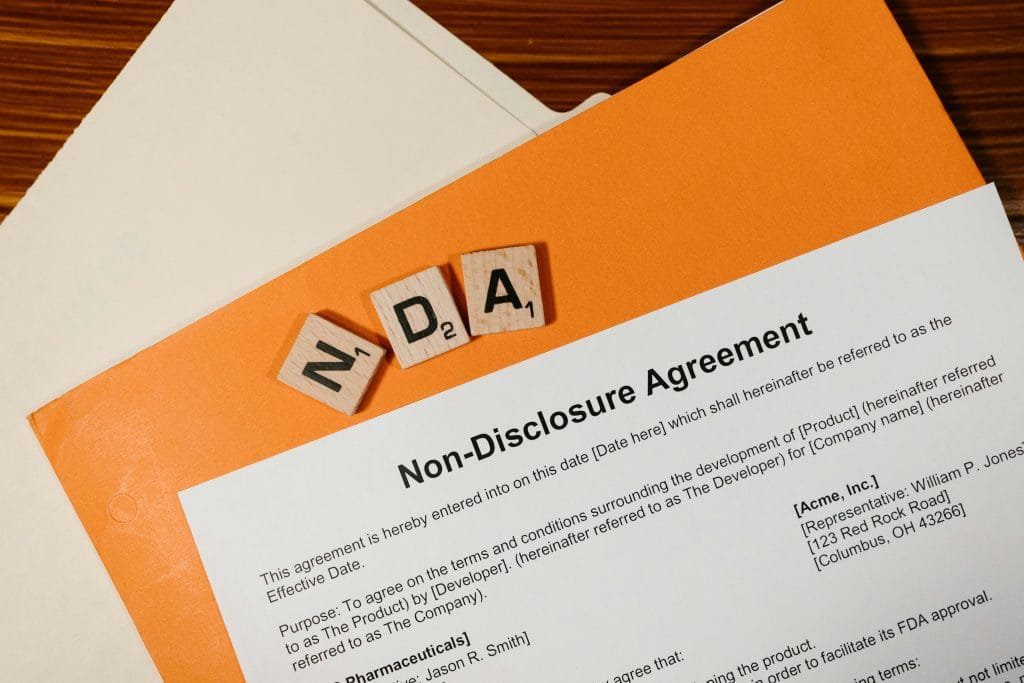
In today’s competitive business environment, protecting sensitive information is essential for any organisation. Non-disclosure agreements (NDAs) are frequently used legal tools to safeguard confidential information from being disclosed to third parties. While these agreements serve a valuable purpose, it is crucial to understand that they are not without risks. This blog explores the potential pitfalls of non-disclosure agreements and situations in which they can backfire, ultimately providing guidance for businesses on how to implement them effectively.
Understanding Non-Disclosure Agreements
A non-disclosure agreement is a legally binding contract that establishes a confidential relationship between parties, typically involving the sharing of sensitive information. NDAs can be bilateral, where both parties share information, or unilateral, where only one party shares data that the other agrees to keep confidential. Common scenarios for NDAs include business negotiations, employment contracts, and partnerships.
While NDAs may seem straightforward, they can lead to legal complications if not executed or enforced properly.
Common Pitfalls of Non-Disclosure Agreements
1. Overly Broad Language
One of the most significant risks with NDAs arises from the use of overly broad or ambiguous language. If the terms of confidentiality extend too far, it may create confusion or disputes over what constitutes confidential information. For instance, using vague descriptions can make it difficult to enforce the NDA and may lead to misunderstandings between the parties involved.
2. Inadequate Specificity
Conversely, NDAs that are too specific can also be problematic. If the agreement narrowly defines what information is considered confidential, it may inadvertently exclude crucial data that should be protected. This can leave companies vulnerable if sensitive information falls outside the bounds of the NDA.
3. Unenforceability Issues
Legal enforceability is paramount for any NDA. However, if an NDA is not drafted in accordance with applicable laws or contains unconscionable clauses, it may be rendered unenforceable by courts. Businesses must ensure that their agreements align with local regulations and legal standards to minimise the risk of unenforceability.
4. Potential for Litigation
While NDAs aim to prevent information leaks, they can ironically lead to extended litigation if a dispute arises. If a party is accused of breaching an NDA, they may retaliate with counterclaims or other legal actions. Engaging in litigation can be costly and time-consuming, diverting resources from core business operations.
5. Implications on Employee Mobility
NDAs can also affect employee mobility. Employees who sign NDAs may feel restricted in their ability to change jobs or pursue new opportunities, especially if the agreements include non-compete or non-solicitation clauses. This can create a negative workplace culture, leading to dissatisfaction and increased turnover.
6. Damage to Relationships
Using NDAs can create an atmosphere of distrust between parties. In business relationships, requiring confidentiality can signal a lack of faith in the other party’s integrity. This can result in strained relationships that hinder collaboration and communication, ultimately impacting business success.
Situations Where NDAs Can Backfire
1. During Freelance Engagements
When a business hires a freelancer or contractor, they may require an NDA to protect proprietary information. However, freelancers often work with multiple clients. If an NDA is too restrictive or does not clearly outline permitted use of shared information, they may be reluctant to take on the project. This can limit the talent pool available to the business and inhibit innovation.
2. Existing Partnerships
In some cases, businesses may require existing partners to sign NDAs to reinforce confidentiality. However, asking trusted partners to sign new NDAs can create an impression of mistrust. This can escalate into disagreements or break down collaboration, resulting in lost opportunities and strained business relationships.
3. Employee Onboarding
While it is common to require new employees to sign NDAs, overly aggressive confidentiality clauses can lead to resentment. Employees who feel that their rights are being overly restricted may have diminished morale and heightened anxiety about job security. Striking a balance between protecting proprietary information and fostering a positive work environment is crucial.
4. Intellectual Property Concerns
Businesses often share sensitive intellectual property (IP) with potential partners or investors. However, if the NDA does not adequately address the ownership of shared IP, it could lead to disputes over future use or ownership rights. Entrepreneurs should ensure that NDAs explicitly outline the treatment of IP, or they may find themselves facing legal battles that jeopardise their inventions.
5. Inadvertent Disclosure
In some instances, a party may inadvertently disclose information that was intended to be confidential. If the NDA does not specifically state the appropriate measures for maintaining confidentiality or the repercussions of unintended disclosure, it may not provide the necessary protection.
Best Practices for Implementing Non-Disclosure Agreements
1. Tailor the Agreement
Rather than relying on generic NDA templates, companies should tailor agreements to meet the specific needs of their situation. Clearly defined terms, specific language regarding compensation, and the context of the information can enhance clarity and enforceability.
2. Define Confidential Information Clearly
Appropriately classify what constitutes confidential information within the NDA. Consider specifying categories of information along with examples to avoid ambiguity while ensuring that it captures all pertinent data.
3. Limit the Duration of Confidentiality
Typically, NDAs should define a specific duration for confidentiality obligations. Standard practice is to set a time frame during which the agreement is enforceable. This prevents indefinite restrictions that might lead to employee frustration.
4. Consider Mutual Agreements
If both parties share sensitive information, consider using a mutual NDA that requires both sides to protect proprietary data. This can foster goodwill and create a more balanced approach to confidentiality.
5. Educate Stakeholders
Educate stakeholders, employees, third-party contractors, and partners about the importance of NDAs. Ensure everyone understands the reasoning behind the agreement and the necessity of maintaining confidentiality.
6. Consult Legal Experts
When drafting NDAs, seek legal counsel to ensure compliance with applicable laws and that the agreements are enforceable. A legal expert can identify potential pitfalls and help navigate the nuances of intellectual property law as they relate to confidentiality.
Conclusion
Non-disclosure agreements can be an essential tool for businesses looking to protect sensitive information. However, it is vital to recognise that they carry inherent risks that can backfire if not implemented and managed effectively. By understanding the potential pitfalls associated with NDAs and taking measures to mitigate legal risks, companies can harness the benefits of confidentiality while fostering positive relationships with partners, employees, and external stakeholders. Crafting tailored agreements, providing suitable education, and consulting legal professionals will help ensure that non-disclosure agreements serve their intended purpose without compromising business integrity or collaboration.
At Alexander JLO we have many years of experience of dealing with all aspects of law and will be happy to discuss your case in a free no obligation consultation. Why not call us on +44 (0)20 7537 7000, email us at info@london-law.co.uk or get in touch via the contact us button and see what we can do for you?
This blog was prepared by Alexander JLO’s senior partner, Peter Johnson on 10th November 2025 and is correct at the time of publication. With decades of experience in almost all areas of law Peter is happy to assist with any legal issue that you have. He is widely regarded as one of London’s leading lawyers. His profile on the independent Review Solicitor website can be found Here